Before
AfterCase 01
Health-first smile renewal
- Goal
- Resolve decay at the gumline and renew the overall look
- Approach
- Restore health first, then refine shape and shade
- Result
- A healthy foundation with a brighter, balanced finish
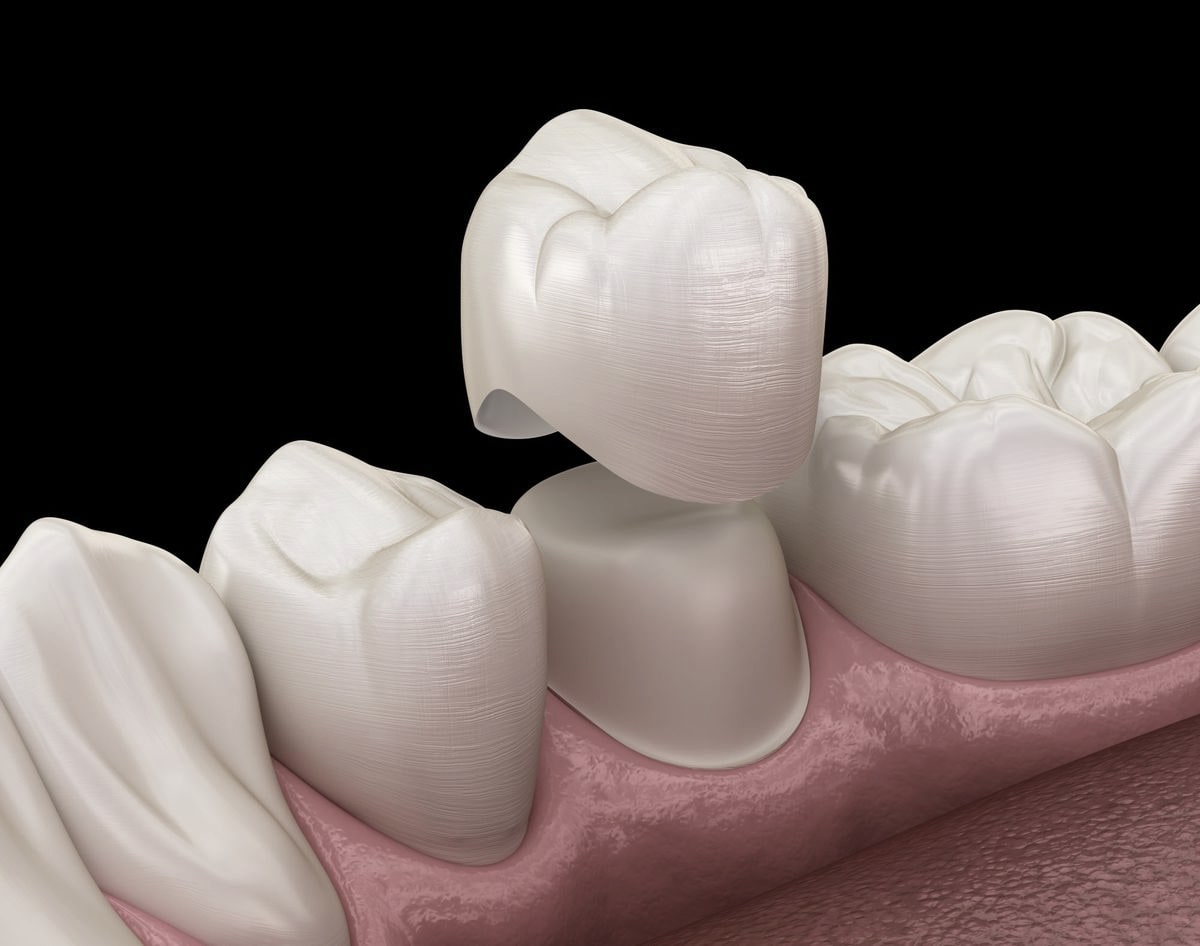
Crowns rebuild teeth that are cracked, worn through, heavily filled, or carrying old work that is failing. This is structural dentistry, and it is where the difference between adequate and precise actually shows up years later.
A crown on a back molar still has to fit the bite precisely, seal at the margin, and contact its neighbors correctly, or it causes problems that surface years later as decay, food packing, or a cracked opposing tooth. A crown on a front tooth has to do all of that and disappear next to a natural tooth, which is the harder problem.
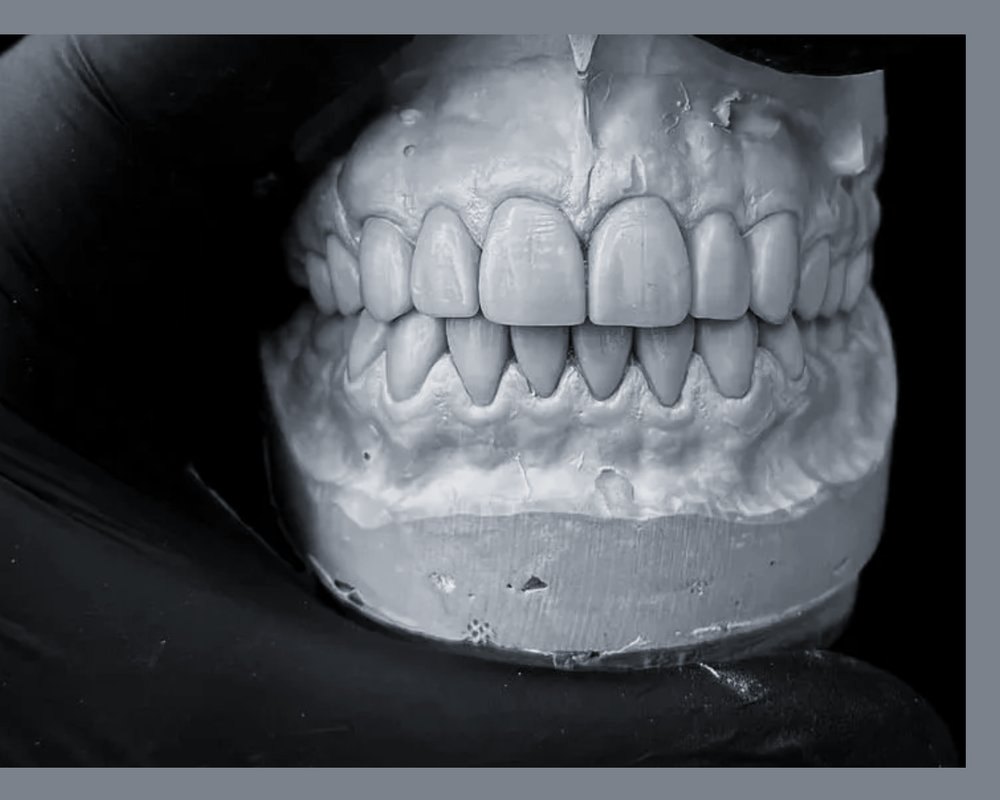
The same design thinking used for veneers applies here: shade layering, surface texture, translucency at the edge, and a margin placed so the gum stays healthy and no dark line ever appears.
Restorative work is a sequence of decisions about what happens in ten years, not what looks acceptable next week. If a shortcut would not age well, it is not offered. That principle is why the recommendation is sometimes to do less now and watch something, rather than treat it immediately.
Teeth do not hurt until late. Decay and cracks are painless while they are small and inexpensive to fix, and painful once they are large and expensive. Waiting for pain is choosing the expensive version.
After the exam and x-rays: prepare and fit a temporary, then place the final crown.
Longer with a night guard if you grind.
Shaded and layered so it disappears beside natural teeth.
Before
AfterCase 01
Before
AfterCase 02
Unretouched clinical photography of real patients. Individual results vary.
A filling patches a hole. When too much tooth is gone, a filling acts like a wedge under biting force and can split what is left, which usually ends in an extraction. A crown wraps the tooth so the force is carried around it instead of through it. The honest answer depends on how much healthy structure remains, and you will be shown that on your own photos rather than asked to take it on faith.
Not if it is made properly. Modern all-ceramic crowns are shaded and layered the same way a veneer is. The visible tells on bad crowns are a dark line at the gum, a flat opaque color, and a shape that does not match its neighbor. All three are avoidable, and all three are design decisions rather than material limitations.
Commonly 10 to 20 years, often longer. What shortens it: grinding without a night guard, decay starting at the margin because of missed cleanings, and the crown being placed on a tooth that needed root canal treatment first.
The appointment is done with proper anesthesia and is generally uneventful. Some sensitivity for a few days afterward is normal. If a tooth was already inflamed before treatment, it may need a root canal, and that is discussed openly beforehand rather than sprung on you mid-appointment.
They can be replaced with all-ceramic, and it is one of the more satisfying upgrades there is, particularly on front teeth where an old crown has gone dark at the gumline. It is also the right moment to check what is happening underneath, because old margins are where decay tends to hide.
Permanent, hand-shaded ceramic. Changes shape, length, color and alignment in one go.
Read more 02Conservative, same-day repairs to chips, small gaps and worn edges. No drilling down healthy teeth.
Read more 03The cheapest thing that works, and the first thing to try before anything permanent.
Read more 04The full plan when several things need fixing at once and they all have to agree with each other.
Read moreBring the tooth that has been bothering you. You will get a straight answer about whether it needs treating now.