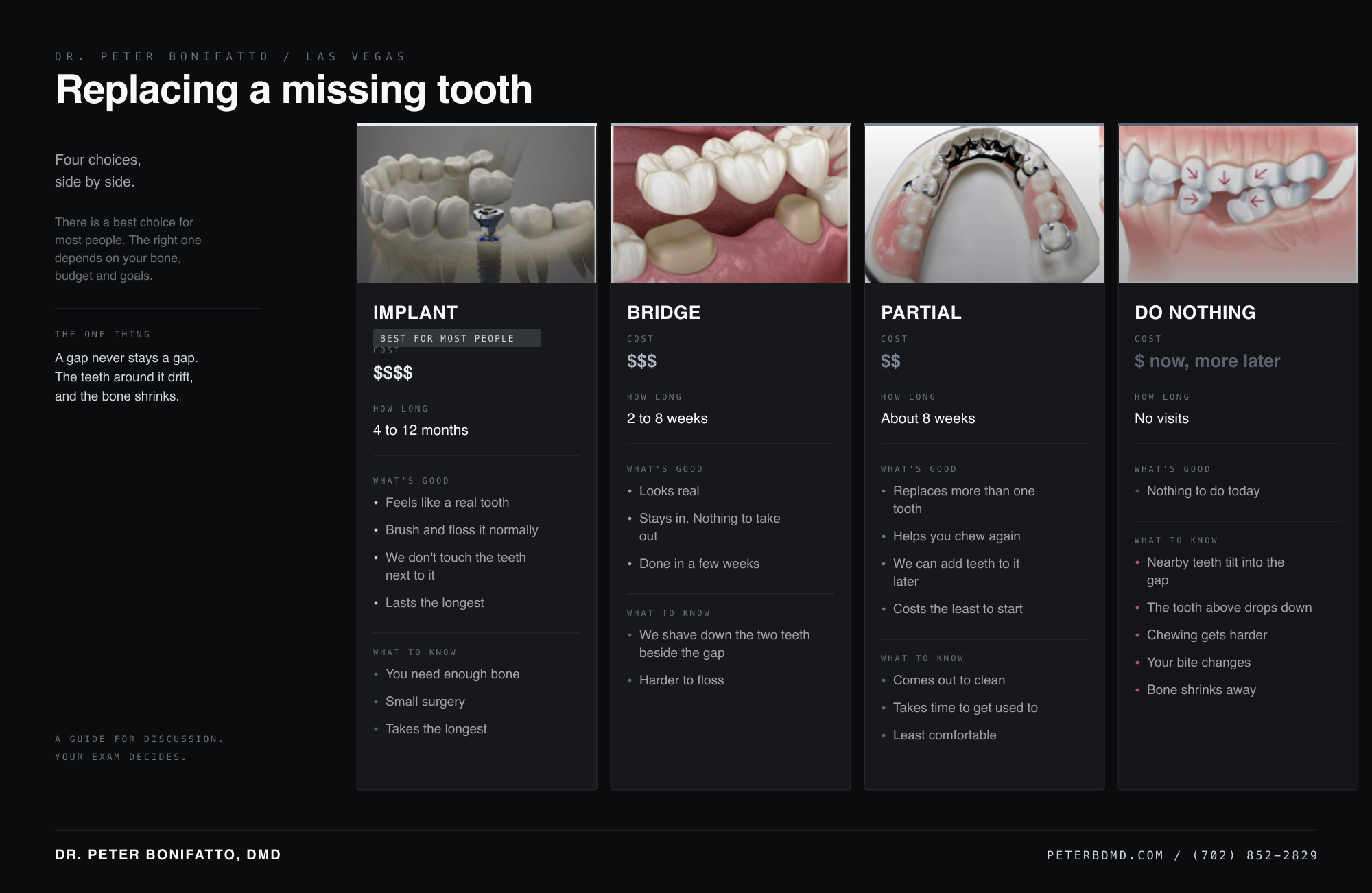
Implant
A new root and tooth
Best for most peopleWhat's good
- Feels like a real tooth
- Brush and floss it normally
- The teeth next to it are left untouched
- Lasts the longest
What to know
- You need enough bone
- Small surgery
- Takes the longest
Four options, side by side, and a typical timeline of what happens if you leave the gap.
| Option |
ImplantA new root and toothBest for most people
|
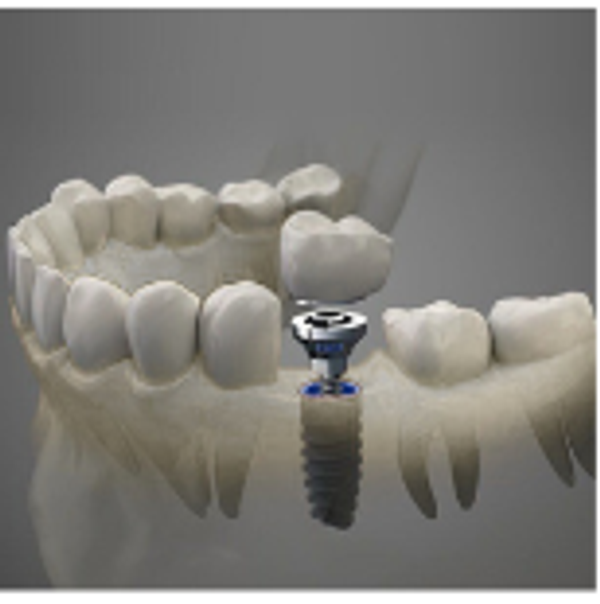
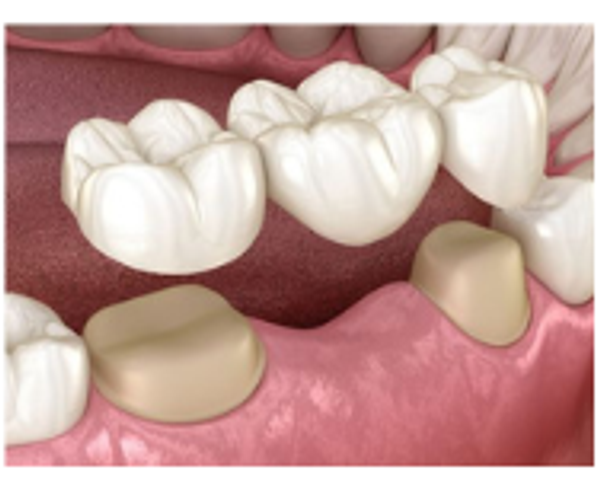 BridgeAnchored to both sides
|
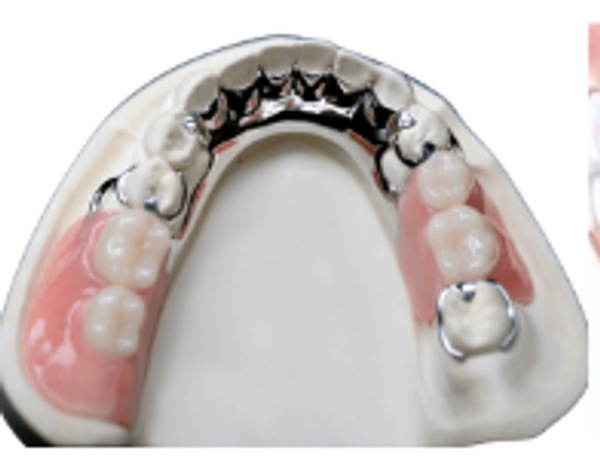 PartialTakes in and out
|
 Do nothingLeave the gap
|
|---|---|---|---|---|
| Cost | $$$$ | $$$ | $$ | $ now a lot more later |
| How long | 4 to 12 months | 2 to 8 weeks | About 8 weeks | No visits |
| What's good |
|
|
|
|
| What to know |
|
|
|
|
A general guide for discussion. Your exam determines what is right for you. Open this on one screen Download this chart
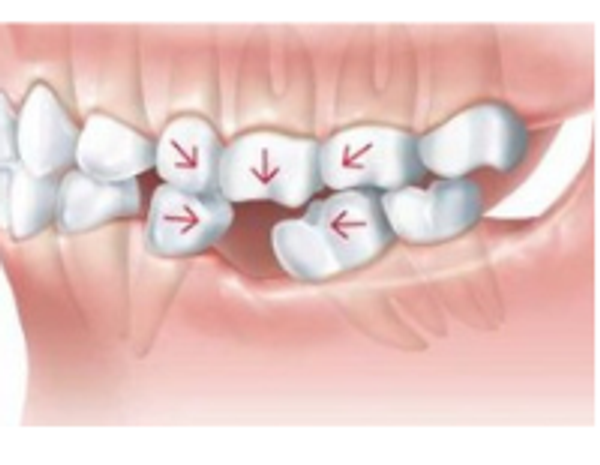
A missing tooth is rarely just a gap. Teeth work as a set, and removing one often starts the whole system moving. This is a typical timeline of doing nothing.
The jawbone under the missing tooth loses its stimulation and begins to resorb. Most of the loss happens in the first year.
Teeth on either side can tip into the empty space, and the tooth above or below can grow down out of its socket looking for something to bite against.
Shifted teeth can change how everything comes together: uneven wear, food traps, gum problems and jaw strain.
What was a straightforward implant may now need bone grafting and orthodontics first. Waiting is often the most expensive option on the menu.
Written by Dr. Peter Bonifatto, DMD, a general dentist in Las Vegas whose practice focuses on cosmetic and restorative work. General information, not a diagnosis. What your own teeth need is decided at an exam, with x-rays. Reading this page does not create a doctor-patient relationship.
It depends on your bone, your bite and your budget. A consult sorts it out in one visit.