The 7 Best Water Flossers of 2026
Dentist-Written, Research-Informed Picks for Sensitive Gums, Braces, and Everyday Oral Care
Crucial Reminder: Water flossers are not a replacement for traditional string floss. They are adjunctive tools that can improve plaque control and gum health when used in addition to brushing and flossing, not instead of them. Regular professional dental exams and cleanings remain essential.
Affiliate Disclosure: This post includes affiliate links. If you click an affiliate link and make a purchase, I may earn a small commission at no extra cost to you. I only recommend products I would confidently suggest to patients and colleagues. No brands or manufacturers paid for placement or to be featured in this article. Product selection is based on independent research, publicly available information, and professional judgment.
How Water Flossers Help
Key facts from peer-reviewed evidence:
Effective plaque disruption with water flossers has been studied in clinical settings showing reductions in plaque and gingival inflammation when used in addition to brushing. Live Science
Research measured effective use with streams delivering approximately 45–75 PSI and ~1,200 pulses per minuteas workable benchmarks. PMC
Water flossing adds benefit especially for hard-to-reach areas, orthodontics, implants, and periodontal maintenance, though the ADA notes water flossers are not superior to string floss universally. Live Science
1) Best Overall / Most Effective for Daily Use Water Flosser
Top Pick
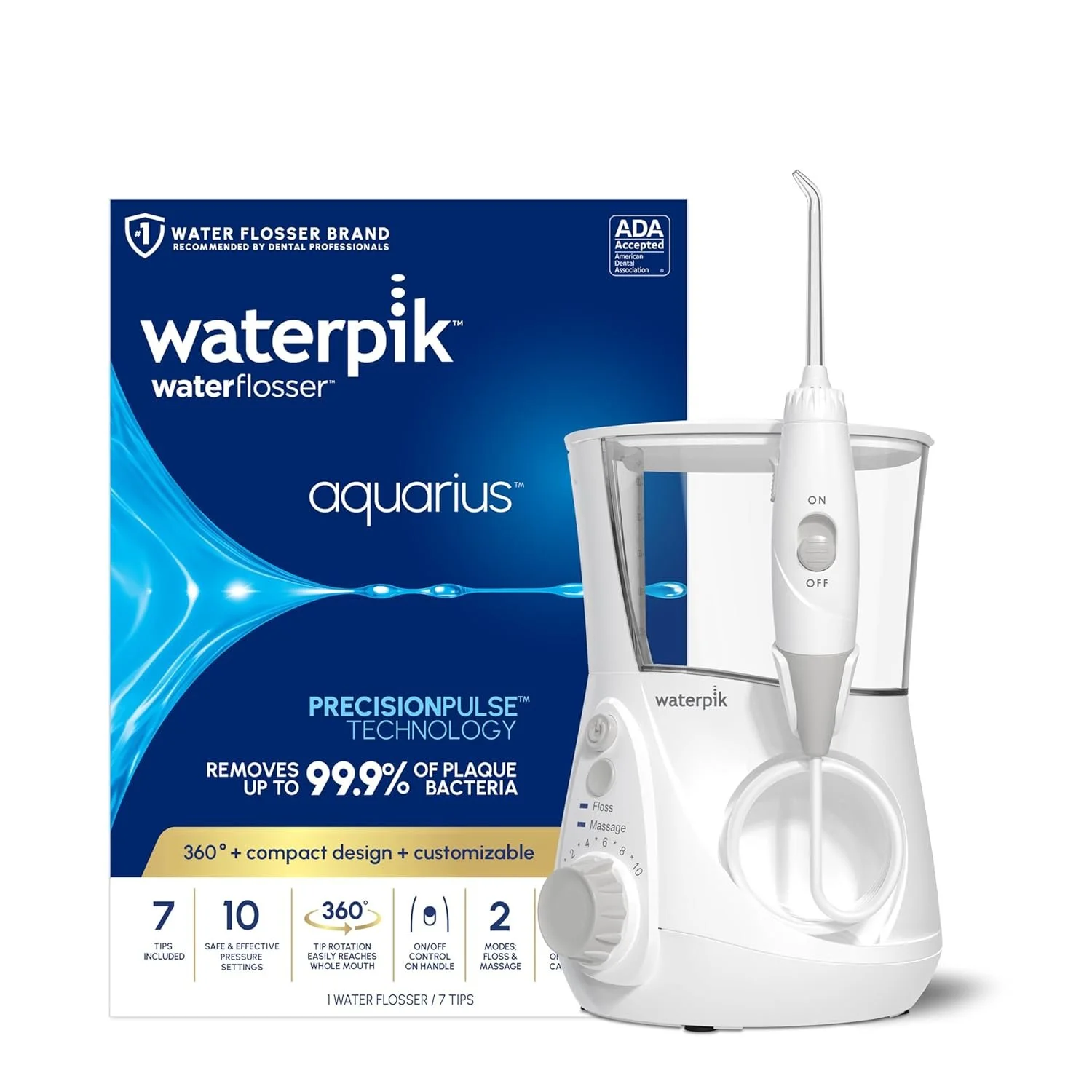
Waterpik Aquarius Professional Water Flosser — ~$50–$80
Why it’s great
Trusted, high-rated countertop model that balances power, control, and usability.
Adjustable settings let users tailor pressure for comfort.
Large reservoir means you floss longer without refilling.
Pros
Strong cleaning performance
ADA-accepted brand with many clinical references
Multiple tips included
Cons
Countertop size may be bulky for small bathrooms
Runner-Up
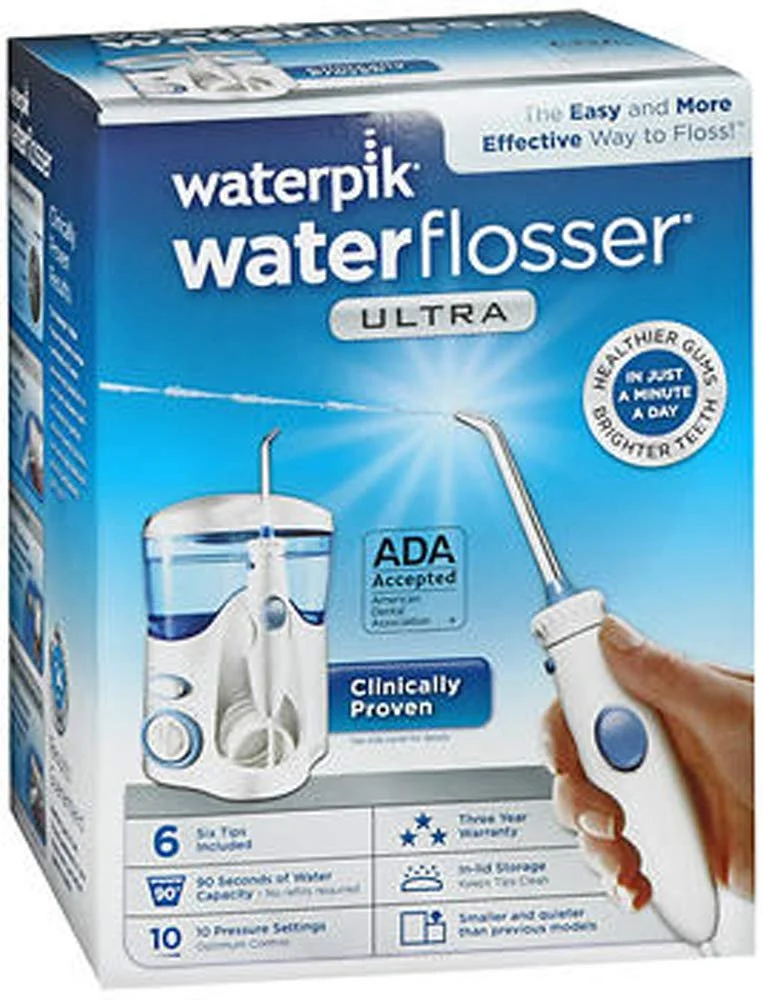
Pros
Excellent performance at a lower price
Well reviewed for daily hygiene
Cons
Slightly fewer pressure settings than “Aquarius”
Expensive
2) Best Travel / Cordless Water Flosser
Top Pick
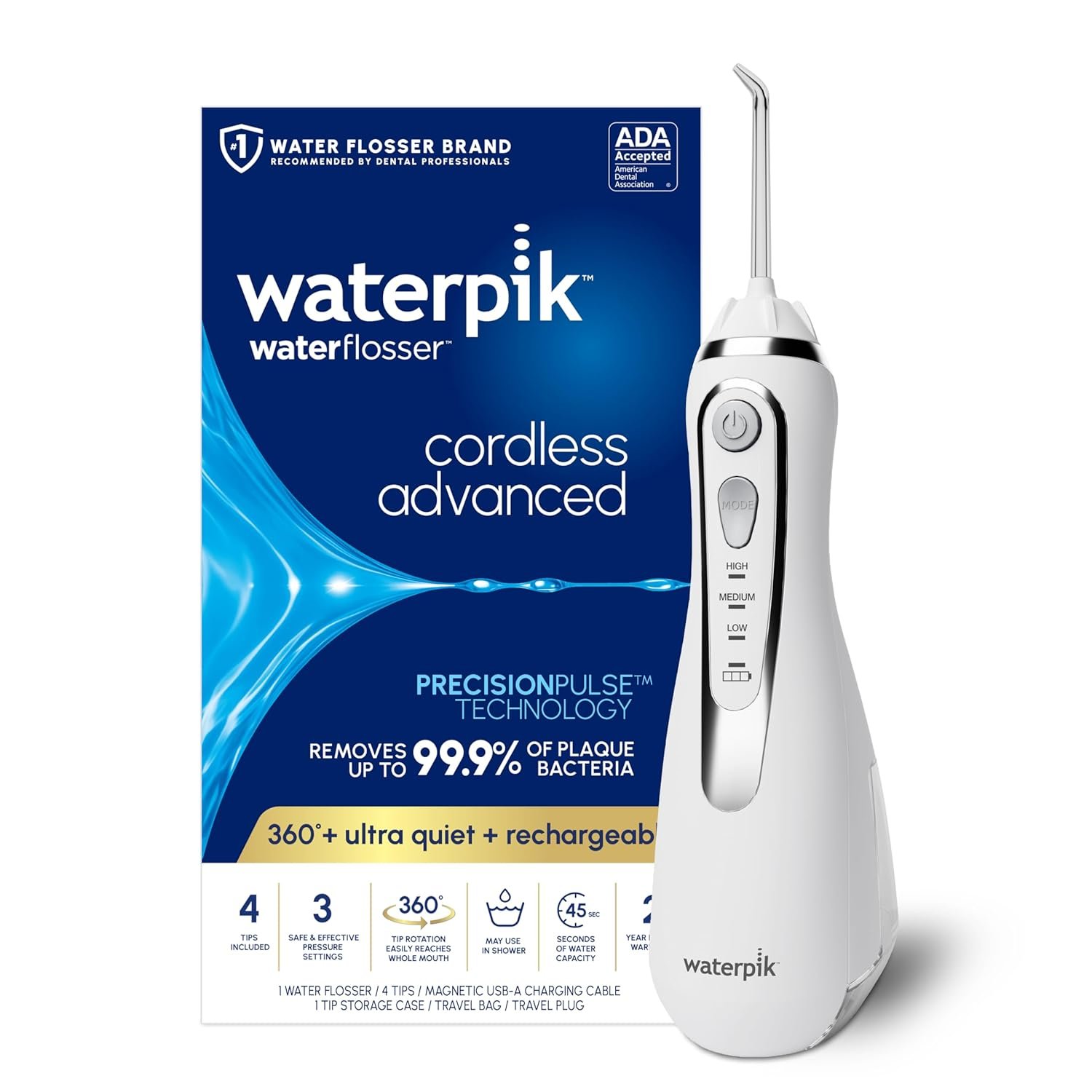
Waterpik Cordless Advanced Water Flosser — ~$60–$80
Pros
Portable and rechargeable
Easy travel setup
Cons
Smaller tank means more refills
Runner-Up
MySmile LP221 UVC Sterilizable Cordless Water Flosser — ~$65
Pros
Excellent cordless performance
Sterilizable tips add hygiene value
Cons
Water capacity can limit use without refilling
3) Best Budget / Value Water Flosser
Top Pick
Pros
Affordable and simple to use
Good pressure for the price
Cons
Fewer advanced controls
Runner-Up
quip Cordless Rechargeable Water Flosser — ~$69–$75
Pros
Stylish design
Cordless freedom
Cons
Mid-tier battery life
4) Best Water Flosser for Sensitive Gums
Top Pick
usmile C10 Water Flosser — ~$60
Pros
Gentle pressure with multiple modes
Rotating nozzle for precision
Cons
Smaller tank than countertop units
Runner-Up
Pros
Comfortable for sensitive users
Solid cleaning performance
Cons
Fewer clinical studies than larger brands
5) Best Water Flosser for Orthodontics & Implants
(These picks overlap with cordless travel options—because cordless is often easiest around brackets or implants.)
Top Pick
MySmile LP221 UVC Sterilizable Cordless Water Flosser — ~$65
Runner-Up
Quick Legal & Clinical Safety Notes
This article provides general recommendations based on published research and professional review. It does not diagnose or treat dental conditions.
While some water flossers show reductions in plaque and inflammation when added to brushing, they are not a substitute for professional advice or personalized clinical care.
Always consult your dentist or periodontist before changing your oral hygiene routine, especially if you have active periodontal disease.